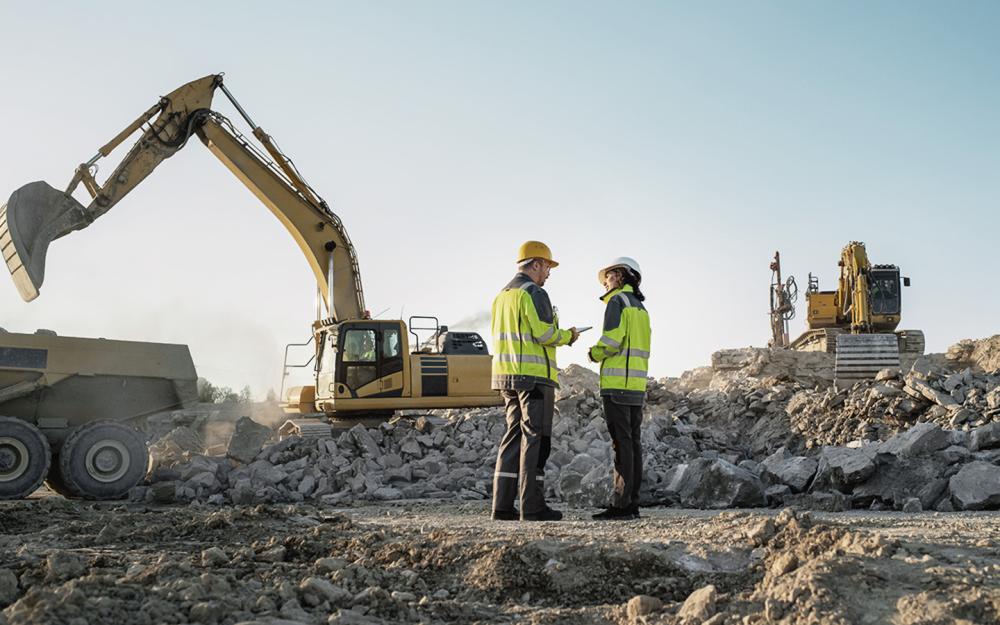
A flammable-liquid container can stay in the same place while the work around it changes. A new delivery route may bring vehicles closer to the area. Hot work or a temporary enclosure can also change the conditions that made the location acceptable earlier in the day.
Flammable liquid storage on construction sites depends on more than the container itself. Teams need to consider the liquid, the amount on site, and where it will be stored. The work taking place nearby can affect that decision too.
OSHA sets construction requirements for storing and handling flammable liquids, but those rules are only part of the site review. The SDS, local requirements, and current job site conditions may add more. Storage should be checked again when the work or access around it changes.
In this article, we’ll cover key OSHA requirements for flammable liquid storage on construction sites. We’ll also walk through five field checks that connect the storage setup to current work.
Shop
Store flammables safely on site
Spill containment, safety cabinets and eyewash equipment for active job sites.
Shop safety cabinetsKnow Where OSHA Rules End and Site Planning Begins
QUICK ANSWER
Change management in construction is a structured approach to identifying planned or unexpected changes, understanding their effects, approving the response, and communicating it to the people involved.
Flammable liquid storage on construction sites involves an approved storage or handling method, an appropriate location, and ongoing review as conditions change. A container or cabinet may be part of the plan, but it does not answer every question about the work area.
OSHA’s construction standard applies to the handling, storage, and use of flammable liquids with a flashpoint at or below 199.4°F (93°C). Different provisions may apply depending on how the liquid is stored or used. A site team needs to check which provisions apply to its actual storage and work activity.
State Plans, local fire codes, and permit or owner requirements may all add to the federal standard. The location may also need a new review when access or nearby work changes. The right storage decision depends on the liquid and the setting.
A strong process gives safety a clear place in the decision. Your team looks at what’s changing, which controls may be affected, and what needs to be checked before the changed work begins. Minor updates may need a quick check, while larger changes may call for a deeper review.
What Does Flammable Liquid Storage on Construction Sites Involve?
Flammable liquid storage on construction sites involves an approved storage or handling method, an appropriate location, and ongoing review as conditions change. A container or cabinet may be part of the plan, but it does not answer every question about the work area.
OSHA’s construction standard applies to the handling, storage, and use of flammable liquids with a flashpoint at or below 199.4°F (93°C). Different provisions may apply depending on how the liquid is stored or used. A site team needs to check which provisions apply to its actual storage and work activity.
State Plans, local fire codes, and permit or owner requirements may all add to the federal standard. The location may also need a new review when access or nearby work changes. The right storage decision depends on the liquid and the setting.
Know Where OSHA Rules End and Site Planning Begins
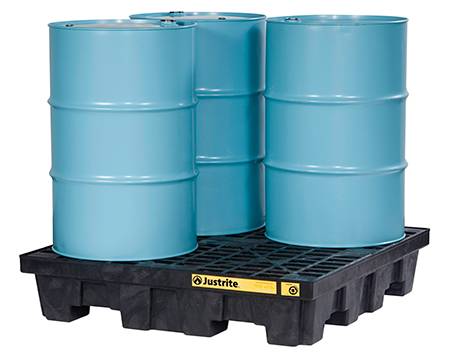

The points below are selected construction-standard requirements, not a full code review. They show why storage cannot be treated as a simple placement decision. The work area still needs a site-specific review.
Use Approved Containers
OSHA requires approved containers and portable tanks for storing and handling flammable liquids. For handling and use in quantities of five gallons or less, the standard points to approved safety cans or Department of Transportation-approved containers. The liquid, quantity, and task still shape the choice.
Using an approved container is one part of the storage decision. It does not show where the container should sit or what work will happen around it. For related handling context, see Justrite’s flammable safety cans article.
Spill containment for the job site
Berms, trays and absorbents for fuel and chemical storage in the field.