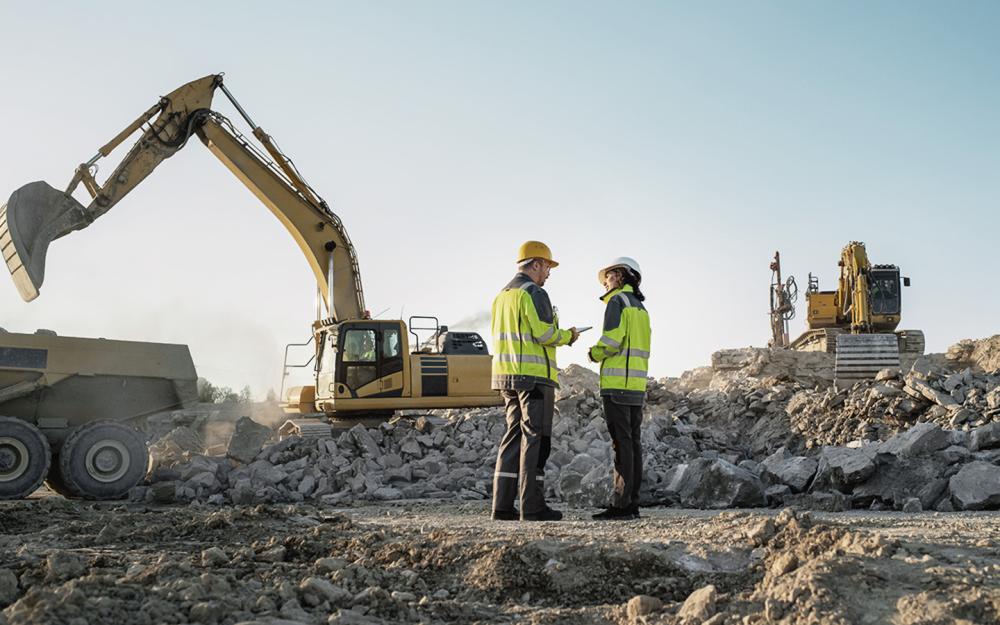
A new piece of equipment arrives, so the team moves a walkway to make room. Work continues, but the change affects more than where people walk. Traffic routes may look different, workers may have less space, and a safety control that worked yesterday may no longer fit the job today.
That's the kind of change construction change management is meant to catch. If no one takes another look, the site plan can fall behind the work happening in the field.
Change management in construction is the process of identifying, reviewing, and managing changes that affect a project. Teams often focus on cost, scope, and schedule. Safety needs a place in that review too. New crews, materials, equipment, work methods, or site layouts can introduce hazards or affect controls already in place.
In this blog, you’ll see eight construction changes that should prompt a safety review and a simple process your team can use to check that controls still work as the job moves forward.
Shop
Store flammables safely on site
Spill containment, safety cabinets and eyewash equipment for active job sites.
Shop safety cabinetsWhat Is Change Management in Construction?
QUICK ANSWER
Change management in construction is a structured approach to identifying planned or unexpected changes, understanding their effects, approving the response, and communicating it to the people involved.
Change management in construction is a structured approach to identifying planned or unexpected changes, understanding their effects, approving the response, and communicating it to the people involved.
Construction change management often focuses on scope, cost, schedule, resources, contracts, and approvals. Those issues need attention, but a project change can also affect the hazards workers face or the controls already in place.
A revised delivery schedule could bring trucks through an area when more workers are present, a replacement product could carry different storage or exposure risks, or a new work method could put trades closer together than planned.
A strong process gives safety a clear place in the decision. Your team looks at what’s changing, which controls may be affected, and what needs to be checked before the changed work begins. Minor updates may need a quick check, while larger changes may call for a deeper review.
Why Safety Belongs in Construction Change Management
A project change can affect safety even when it wasn’t the reason for the change. If a construction change management process focuses only on cost and schedule, a new hazard could reach the field without proper review.
Look at how the change affects the work people will perform. It could introduce a hazard, increase an exposure, or weaken a control that worked under the old conditions. The review should fit the possible effect of the change.
OSHA 1926.20 requires that jobsites, materials, and equipment be inspected regularly and frequently by competent people chosen by the employer. This makes regular field checks important as site conditions change.
Which 8 Changes Should Trigger a Safety Review?
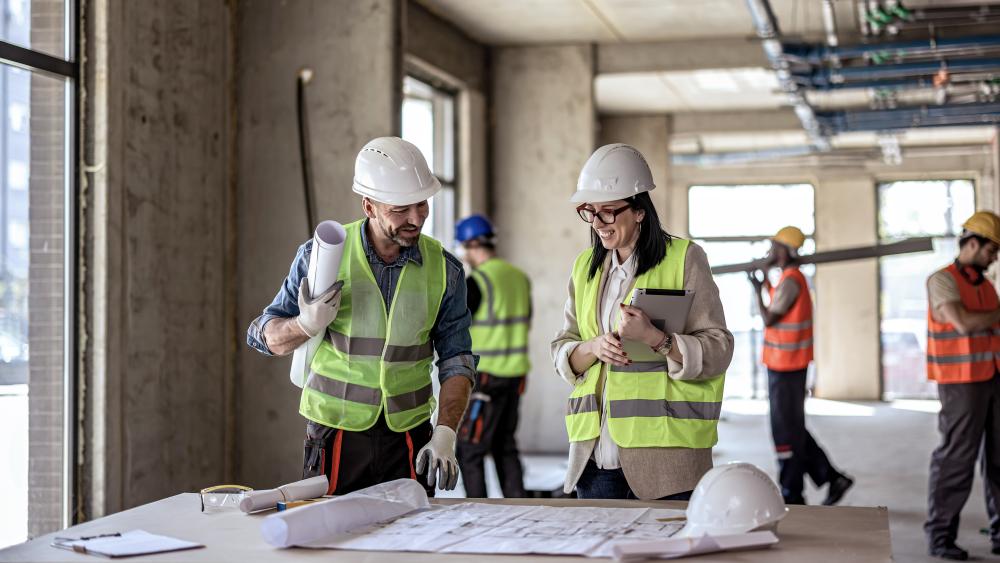
This change trigger list supports construction change management by identifying eight situations that can signal it’s time to check the safety controls already in place.
1. A New Project Phase
A new phase can change the type, location, or sequence of work. Structural work may involve adding lifting zones or working at height. Interior work may bring more trades into tighter spaces with different access needs.
Before the phase begins, walk through the planned work and the hazards tied to it. CPWR defines pre-task planning as a process completed before a task starts to discuss the work steps, hazards, and available controls. That conversation can help crews spot gaps before the next phase begins.
Spill containment for the job site
Berms, trays and absorbents for fuel and chemical storage in the field.