A Guide to OSHA Violations on the Construction Jobsite
- By Justrite Safety Group
- Apr 1, 2026

Construction Safety & OSHA Violations Guide
Are You OSHA Compliant? Common Construction Violations and How to Prevent Them
OSHA violations remain one of the biggest challenges on construction jobsites, impacting safety, productivity, and project timelines. From fall protection failures to improper hazard communication, these issues are not only common but also preventable. Understanding where most violations occur is the first step toward building a safer and more compliant work environment.
According to recent OSHA data, the most frequently cited violations in construction include fall protection, ladder safety, scaffolding, and respiratory protection . These violations often stem from missing safety systems, inadequate training, or lack of proper equipment. Even small oversights, such as missing guardrails or improper PPE usage, can lead to serious injuries or costly penalties.
Beyond safety risks, non compliance can significantly impact your business. OSHA penalties in 2025 can exceed $165,000 per violation for willful or repeated offenses, and unresolved hazards may result in daily fines. More importantly, violations can damage your company’s reputation and limit your ability to secure future contracts.
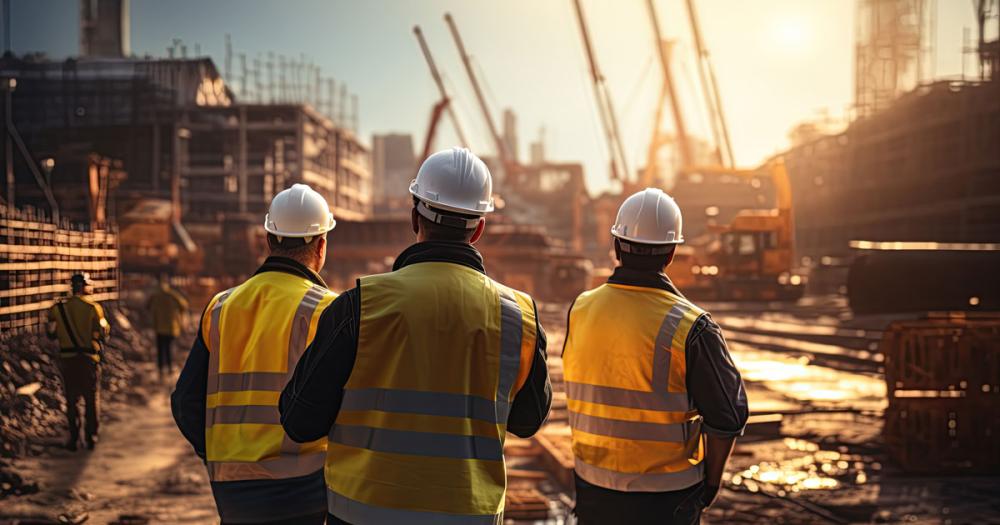
Reduce OSHA Violations and Build a Safer Jobsite
Get the white paper: A Guide to OSHA Violations on the Construction Jobsite
Featured Products
-

-
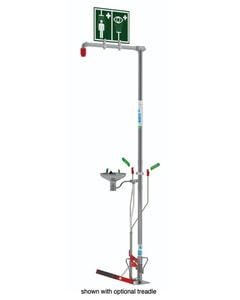 Floor Mount, Open Stainless Steel Bowl, Self-Draining Hughes Combination Shower, Stainless Steel Pipe - SD18GS85GModel No: SD18GS85G$2,522.00
 -
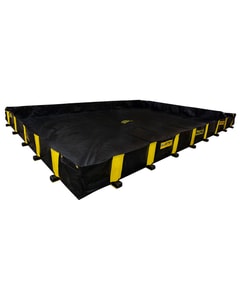 20' x 20' x 12", 2990 Gallon Spill Capacity, Drive Over Berm, Rigid-Lock QuickBerm®, Black - 28532Model No: 28532$3,379.00
FAQs:
Q1: What are the most common safety risks on construction sites?
A: Common construction safety risks include vehicle and pedestrian traffic, uneven ground, exposed utilities, hazardous materials, changing access points, and evolving site conditions as projects progress. Managing these risks requires proper planning, communication, and jobsite-specific safety solutions. Learn more here: Construction Safety Solutions.
Q2: How early should safety planning start on a construction project?
A: Safety planning should begin before work starts and continue throughout every phase of construction. Early planning helps identify potential risks, while ongoing reviews ensure safety measures remain effective as site conditions change. Download this checklist: Construction Hazard Checklist.
Q3: Are your products built specifically for construction sites?
A: Many products are engineered specifically for construction environments where conditions constantly change. These solutions are designed to address construction-specific risks, site conditions, and compliance requirements.
Q4: Do you have products for different phases of construction?
A: Yes. Solutions are available for multiple phases of construction, from early site preparation and structural work through finishing and MEP activities, helping teams manage safety risks at every stage. Explore more: Construction Safety by Phase.
Q5: How do your products hold up in real jobsite conditions?
A: Products designed for construction environments are built to withstand heavy traffic, weather exposure, temporary installations, and continuous daily use on active jobsites.