Case Study: Elevating Safety Standards
- By Justrite Safety Group
- Jul 11, 2025

We recently partnered with a large construction company operating in the Southeast. With multiple active job sites and a significant workforce, this organization faces the daily challenges common to the construction industry: fast-paced schedules, hazardous materials, and complex regulatory requirements. Their needs are representative of many mid-to-large construction firms seeking to improve safety outcomes and regulatory compliance.
Hazard Analysis
During the safety walk, several possible violations were identified, including inadequate spill containment for hazardous chemicals, insufficient signage in critical areas, and improper storage of flammable materials. The absence of essential emergency equipment, such as eyewash stations, along with gaps in general safety practices like first aid station marking, further reduced the site’s emergency readiness. These hazards highlight the need for corrective actions to ensure compliance and protect worker safety. The specific hazards identified included:
Hazard |
Environment |
Key Indicators |
|---|---|---|
| Hazardous Liquid and Chemical Spills | Storage areas for hazardous liquids and chemicals | Lacked proper secondary containment, increasing the risk of spills and environmental contamination |
| Inadequate Signage | Electrical rooms and construction zones | Missing clear warning signs, raising the risk of unauthorized access and potential accidents |
| Unsafe Storage of Flammable Materials | Throughout the site | Flammable liquids and gas cylinders were not always stored in code-compliant cabinets or carts, creating fire and explosion hazards |
| Emergency Equipment Gaps | Throughout the site | Missing essential emergency response tools, such as eyewash stations and safety showers, which are vital for immediate response to chemical exposure |
| General Safety Practices | First aid stations and visitor registration | Limited implementation of clear marking of first aid stations and visitor registration, potentially delaying emergency response and reducing site security |
VIOLATIONS & RISKS
Identified potential OSHA, EPA, and NFPA violations with fines up to $25,000 per day. Some of the top violations found were:
- EPA 40 CFR 112/SPCC
- NFPA 30/OSHA
Flammable Storage Violations - OSHA 29 CFR 1910.151
- OSHA 29 CFR 1910.145
Why It Matters
Implementing these recommendations is essential for reducing risks and ensuring a safer, more compliant job site. Addressing the identified issues demonstrates a strong commitment to employee well-being and regulatory standards. These improvements help build a positive safety culture and support long-term success.
Recommendations
The following recommendations outline targeted solutions designed to resolve the issues identified during the analysis and help the company achieve lasting safety improvements.
- Spill Control and Containment: We recommended and supplied spill containment pallets and spill control equipment that meet EPA and fire code standards, ensuring hazardous materials are stored safely and in compliance with regulations.
- Emergency Response Equipment: We equipped the site with a mobile, self-contained emergency safety shower and eyewash station, ensuring immediate access in case of chemical exposure.
- Enhanced Safety Signage: We installed clear, durable signage for electrical hazards, restricted areas, and emergency equipment locations, making it easier for workers to recognize and avoid risks.
- Best Practice Implementation: We helped the company adopt additional safety measures, such as “Watch Your Step” and “First Aid Station” signs, and reinforced policies for visitor management and electrical panel clearance.
- Code-Compliant Storage Solutions: We provided flammable liquid safety cabinets and gas cylinder carts designed to meet OSHA, NFPA, and International Fire Code requirements, reducing fire risk and improving material handling safety.
Shop Key Items
-
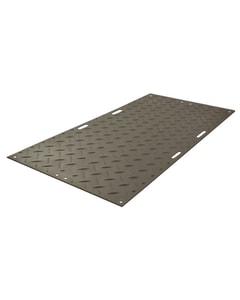 4' x 8' AlturnaMAT® Ground Protection Mat with Hand Holes, 120 Ton Capacity, Black - AM48HH8Model No: AM48HH8$317.00
 -
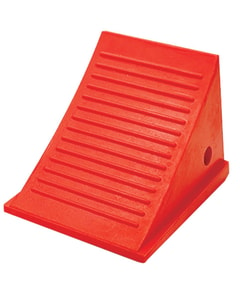 General-Purpose Utility Wheel Chock, 70,000 lbs Load Capacity, 32-46 in. Tire - UC1500-6Model No: UC1500-6$70.00
 -
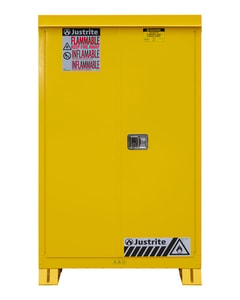 45 Gallon, 2 Shelves, Self Close Doors, Outdoor Flammable Storage Cabinet, Yellow - 814520Model No: 814520$2,517.00