Case Study: Utilities
- By Justrite Safety Group
- Nov 29, 2025

We led a safety walkthrough for a large municipal utility provider in the Southeast, responsible for water and wastewater operations across a sprawling service area. With hundreds of employees and multiple facilities, this organization faces the daily challenge of managing hazardous materials, heavy equipment, and complex infrastructure. Their needs are similar to those of any large public works or industrial operation.
Hazard Analysis
During the facility walk-through, several critical hazards were identified, including improper storage of flammable liquids, damaged safety containers, and missing safety signage. If these issues are not addressed, they greatly increase the risk of severe injury, property damage, regulatory fines, environmental contamination, and operational disruptions.
Hazard |
Environment |
Key Indicators |
|---|---|---|
| Improper storage of flammable liquids and aerosols | Throughout the site |
Use of non-rated cabinets Boxes stacked on top of cabinets Damaged or outdated safety cans and fuel containers |
| Reduced access to exits and electrical panels | Fire exits and high voltage panel access areas | Blocked by equipment |
| Reduced visibility of eyewash stations and fire extinguishers | Throughout the site | Missing or damaged safety signage |
| Environmental contamination | Areas with oil and hazardous liquids | Lacking or inadequate spill containment |
| Increased risk of workplace injury | Yard |
Unchocked trailers Unmarked trip hazards |
Why it Matters
If these hazards go unaddressed, the facility risks serious injury for employees and visitors, extensive property damage from fires or explosions, and costly regulatory penalties for OSHA or EPA non-compliance. There is also a risk of environmental harm and expensive remediation, along with potential operational downtime and reputational harm. Resolving these issues promptly creates a safer workplace, limits legal and financial exposure, and helps ensure ongoing business operations.
 VIOLATIONS & RISKS
Identified potential violations with fines up to $56,460 per day and additional losses that could exceed $40,000. The potential violations spanned several agencies including:
- OSHA
- EPA
- MSHA
- NFPA
Recommendations
The following recommendations outline targeted solutions designed to resolve the issues identified during the analysis and help the company achieve lasting safety improvements.
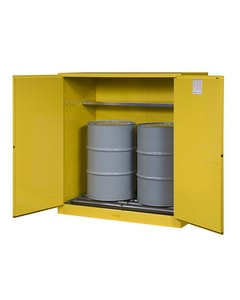
- Installed additional, compliant flammable storage cabinets and ensured all flammable materials are stored inside, never on top or outside.
- Replaced all damaged safety cans and fuel containers with approved, self-closing models.
- Removed obstructions from fire exits and electrical panels, and used high-visibility floor marking kits to keep these areas clear.
- Updated all safety signage for fire extinguishers, eyewash stations, and trip hazards to ensure quick identification and response.
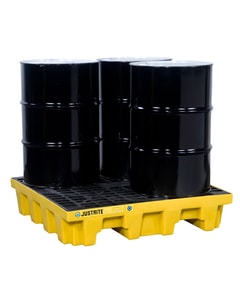
- Added spill containment platforms for oil and hazardous liquids, meeting EPA Spill Prevention, Control, and Countermeasure (SPCC) requirements.
- Provided wheel chocks for trailers and marked step-downs to prevent slips, trips, and falls.